
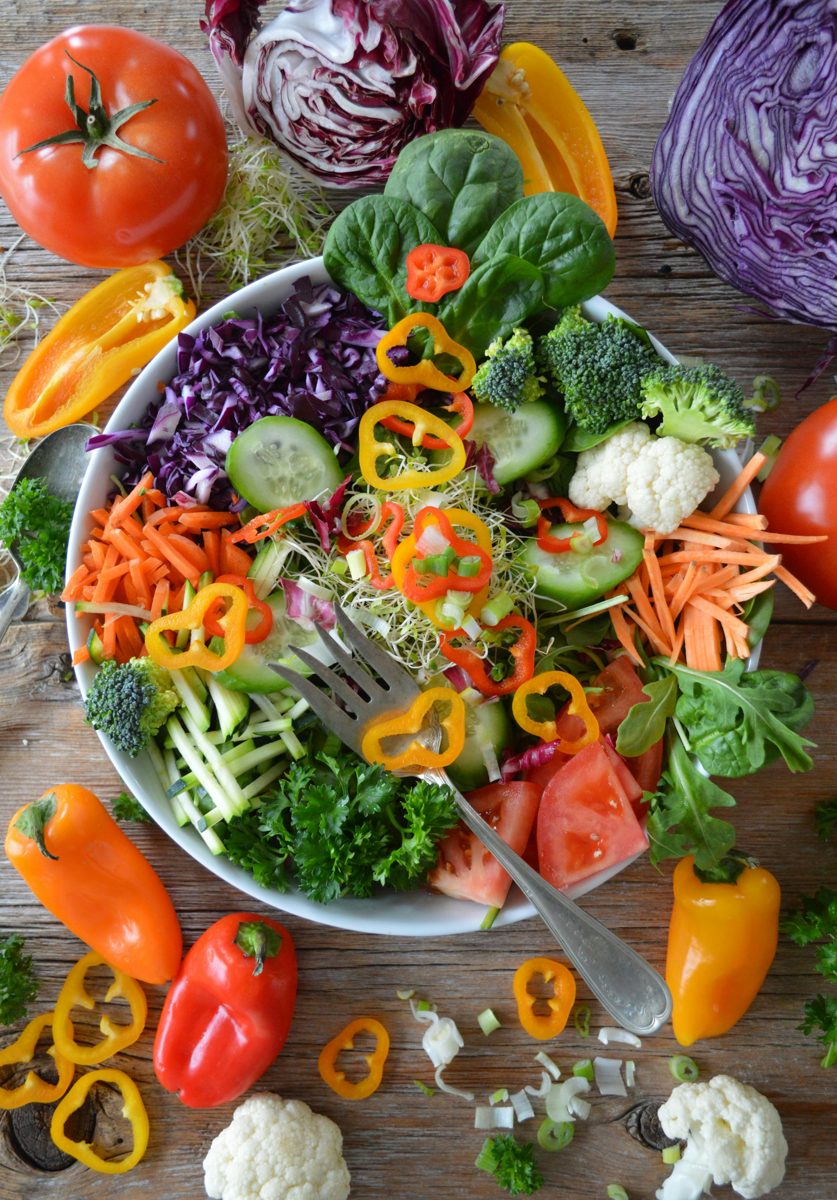
Healthy Diet Explained: Daily Rules That Protect Your Health
What you eat every day shapes your health more than almost anything else. A healthy diet protects you from malnutrition and from serious diseases like diabetes, heart disease, stroke and several cancers. The problem is that modern eating habits have changed fast: processed food, extra sugar, extra salt and unhealthy fats are now a normal part of daily life, while fruits, vegetables and fibre are missing from most plates.
The good news is that a healthy diet is not complicated. It rests on four simple principles: adequacy (your body gets everything it needs), balance (energy in matches energy out), moderation (harmful items stay limited) and diversity (a wide variety of foods). Here are the daily rules that follow from those principles.
Eat at least 400 grams of fruits and vegetables
Adults and anyone over the age of 10 should eat at least 400 grams of fruits and vegetables every day — roughly five portions. Children need a little less, depending on their age. Fresh is great, but frozen and canned options also count, as long as they do not carry added sugar or excess salt. Along with this, aim for at least 25 grams of natural fibre a day from whole grains, vegetables, fruits and pulses like lentils, beans and chickpeas.
Keep sugar below 10% of your daily energy
Free sugars — the sugar added to food and drinks, plus sugar in honey, syrups and fruit juices — should stay under 10% of your daily energy. For an average adult eating about 2,000 calories, that is around 50 grams, or roughly 12 level teaspoons a day. Dropping to 5% brings even more benefit. This single change lowers your risk of tooth decay and unhealthy weight gain.
Watch your fats, not just the amount
Fat is essential, but both the amount and the type matter. Adults should keep total fat at about 30% or less of daily energy. Unsaturated fats are the better choice — they are found in fish, nuts, avocado and oils like sunflower, soybean, canola and olive oil. Saturated fat from fatty meat, butter, ghee, cream and cheese should stay under 10%, and trans fats under 1%. A practical trick: steam or boil instead of frying, trim visible fat from meat, and go easy on packaged snacks like biscuits, wafers and frozen pizza.
Cut salt to less than 5 grams a day
High salt intake raises blood pressure, which leads to heart disease and stroke. Adults should take less than 5 grams of salt a day — about one teaspoon. Most salt hides in processed food, bread, sauces and ready meals, so check labels and avoid adding extra salt at the table. Potassium, found in fresh fruits and vegetables, helps balance the harmful effect of sodium.
Protein: enough, not excessive
Protein builds muscles, hormones and enzymes. For most adults, 10–15% of daily energy from protein is enough — about 50 to 75 grams a day. Mix plant and animal sources, and remember that more is not always better: excessive protein can burden the kidneys.
Healthy eating starts early
For babies, the rules begin at birth: exclusive breastfeeding for the first 6 months, continued breastfeeding up to 2 years and beyond, and from 6 months a diverse mix of safe, nutrient-rich foods with no added salt or sugar. Eating habits formed in childhood usually stay for life, which is why the early years matter so much.
The bottom line
A healthy diet is not a short-term plan or a list of banned foods. It is a daily pattern: more fruits, vegetables, whole grains and pulses; less sugar, salt and unhealthy fat; and enough variety that your body never misses what it needs. Start with one rule — for example, the 400-gram fruit and vegetable target — and build from there. Small, steady changes protect your health for decades.
Source: World Health Organization (WHO) — Healthy Diet fact sheet: https://www.who.int/news-room/fact-sheets/detail/healthy-diet