The $10 Million Milestone
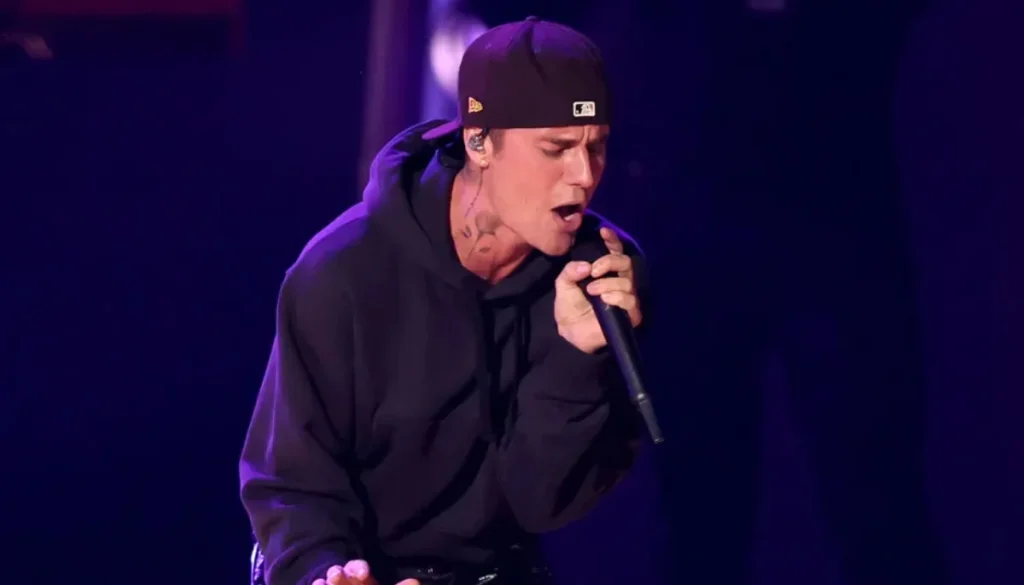
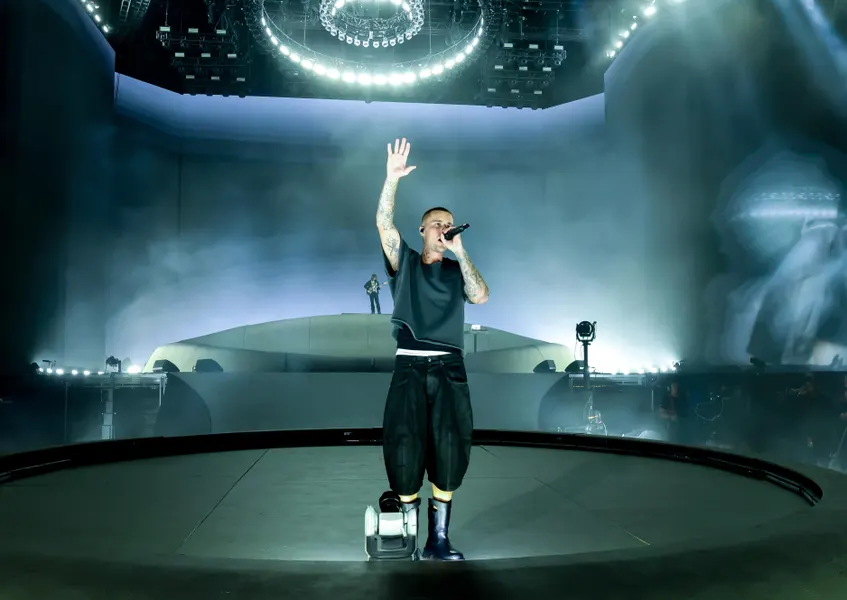
Breaking a record that had stood for years, Justin Bieber reportedly commanded a staggering $10 million for his two-weekend headlining stint at Coachella 2026. This breaks down to a cool $5 million per weekend. To put that in perspective, this fee surpasses the legendary payouts of icons like Beyoncé and Lady Gaga, who previously set the bar around $8 million.
A Masterclass in Negotiation
What makes this deal even more fascinating is the strategy behind it. Reports indicate that Bieber negotiated directly with Goldenvoice (the festival organizers) without the traditional middleman of a high-profile agent. By bypassing standard commission structures, Bieber ensured that the historic fee stayed almost entirely within his own camp, showcasing his evolution from teen idol to a shrewd, independent businessman.
The “Minimalist” Comeback
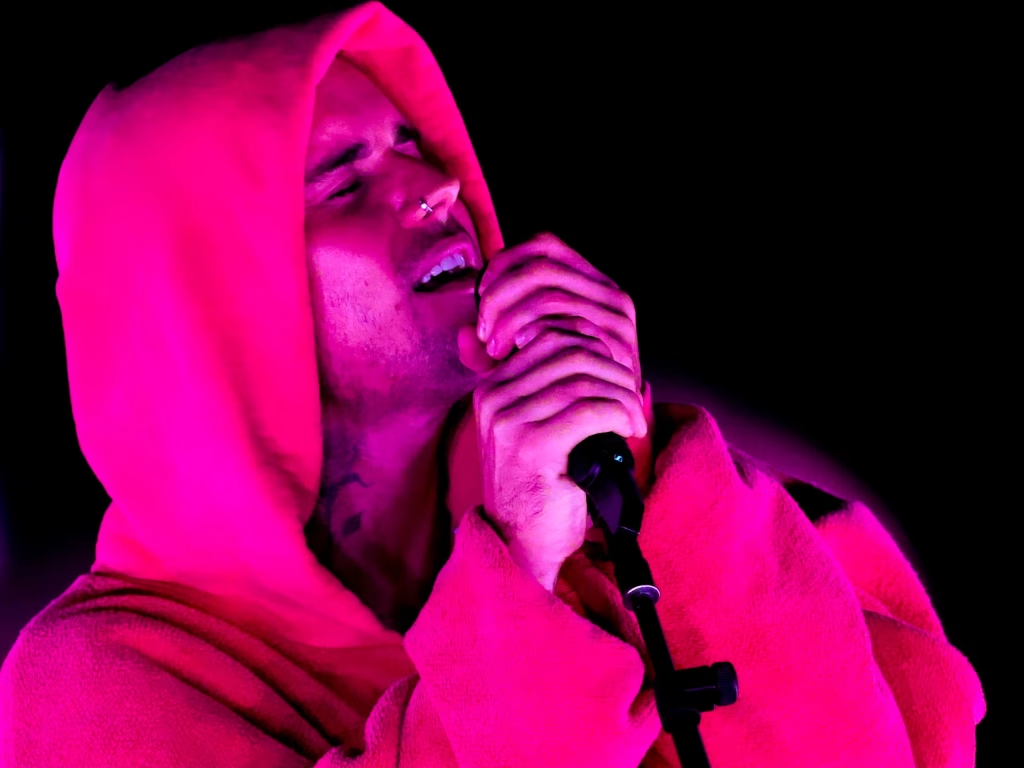
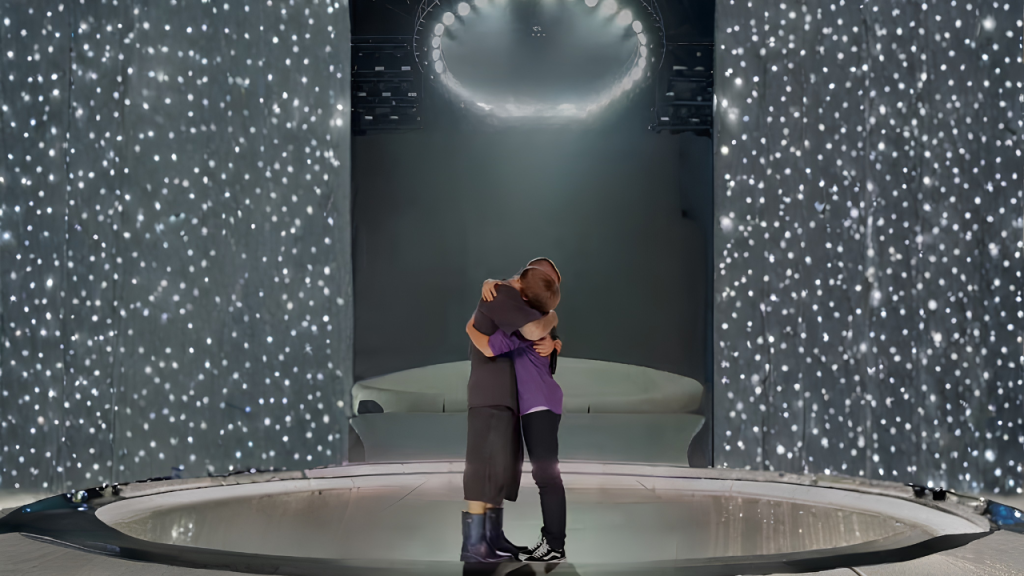
After years of battling health challenges including Ramsay Hunt syndrome and Lyme disease, Bieber’s return was his most anticipated live appearance since 2022. However, the performance was a sharp departure from festival norms. Instead of backup dancers and pyrotechnics, Bieber opted for a “bedroom R&B” aesthetic, performing in a simple hoodie and shorts on a stripped-back stage.

Nostalgia vs. Innovation
The setlist was a calculated mix of the old and the new. Bieber leaned heavily into his 2025 albums, Swag and Swag II, but also took fans on a “journey” back to his roots.
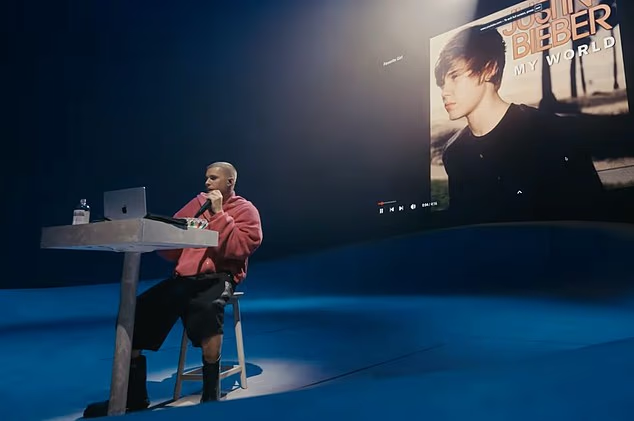
- The YouTube Tribute: In a nod to his discovery, he sat at a laptop, scrolling through his early hits and singing along to the original videos.
- Star-Studded Collabs: He was joined by a “who’s who” of modern music, including The Kid Laroi, Tems, and Wizkid, bridging the gap between his pop origins and his new artistic direction.
A New Era for the Prince of Pop
Love it or hate it, Justin Bieber’s Coachella 2026 run proved one thing: his market value is untouchable. By commanding the highest fee in the festival’s history with a minimalist production, he has proved that the “Bieber brand” is powerful enough to disrupt the industry’s traditional “maximalist” expectations. He didn’t just play a festival; he set a new gold standard for what a headliner can demand.